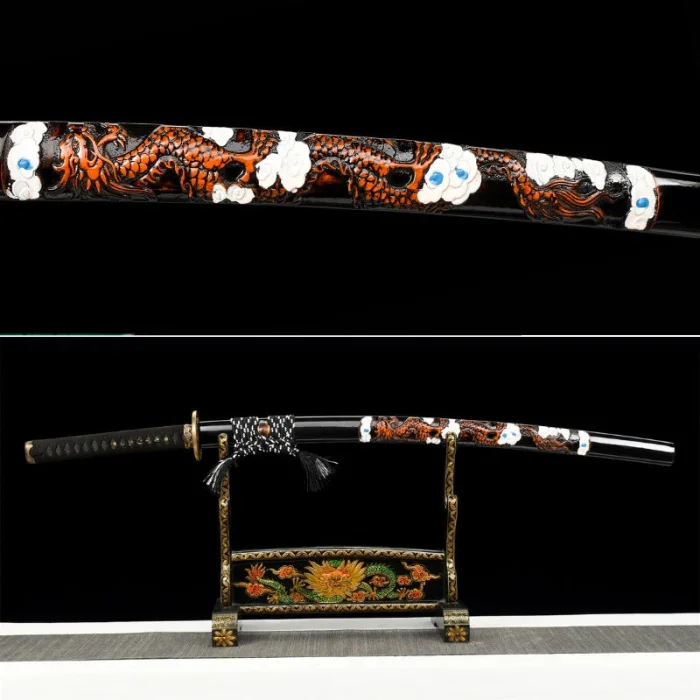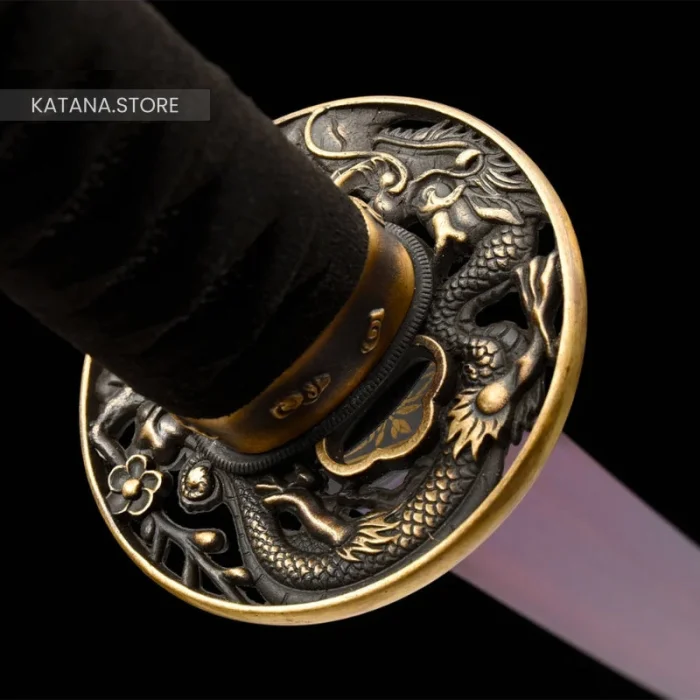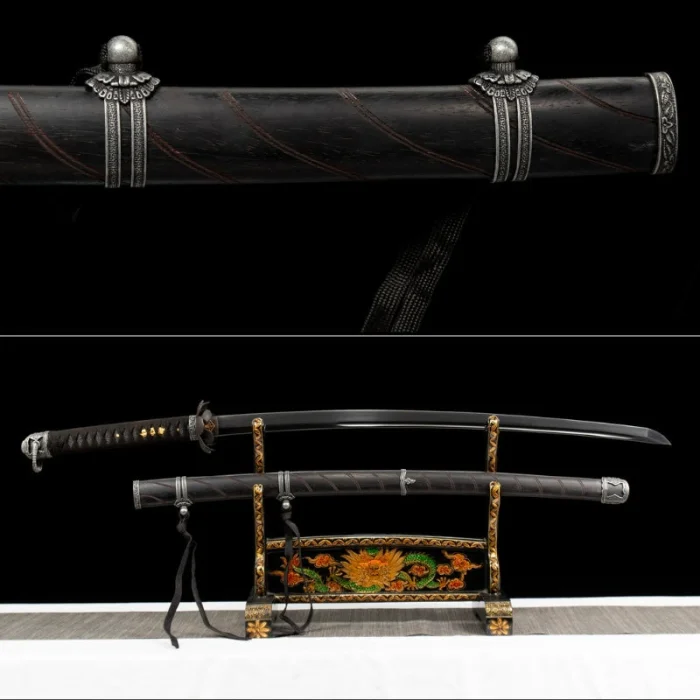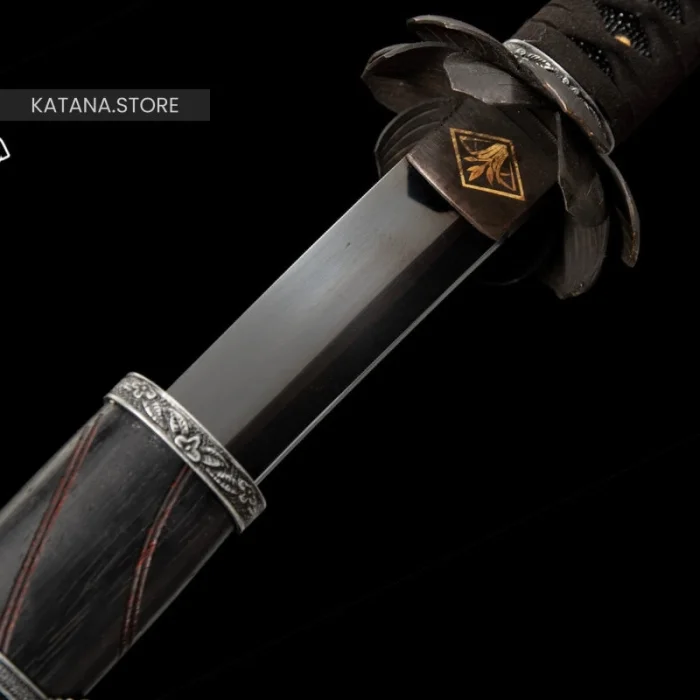
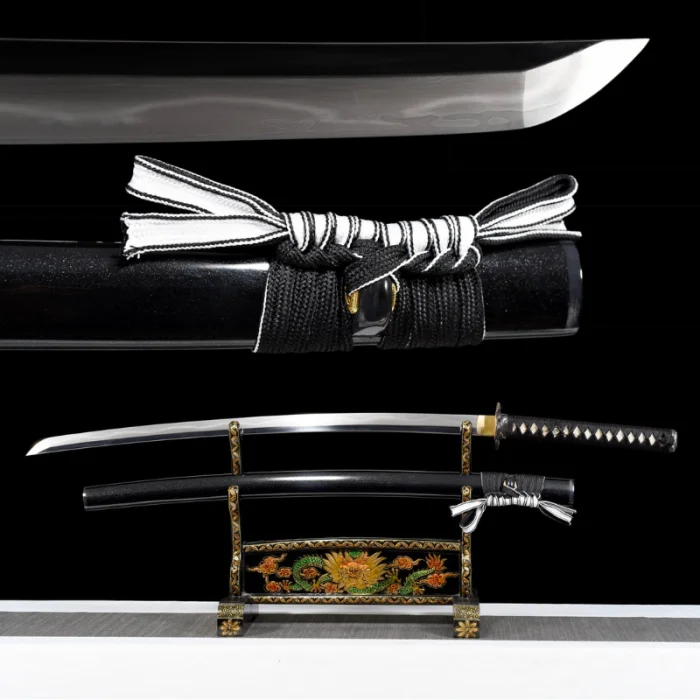
Sanmai Katana
Sanmai blade Japanese sword
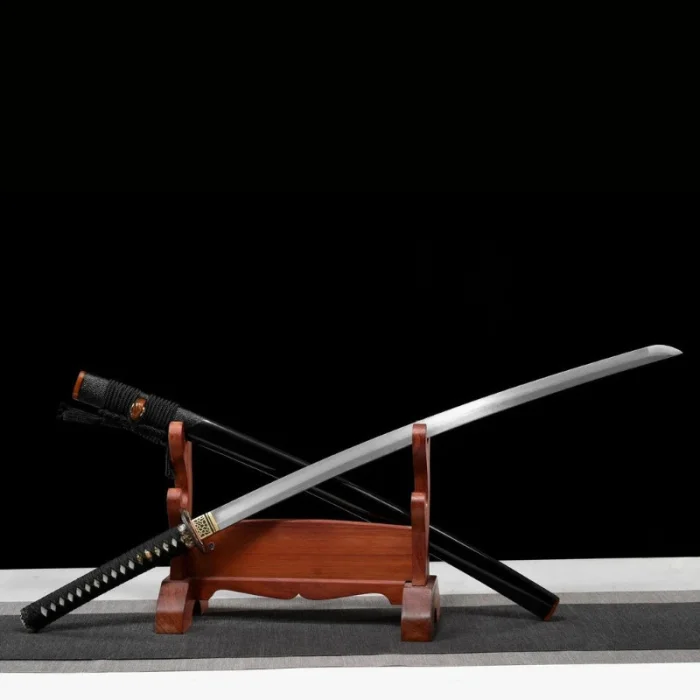
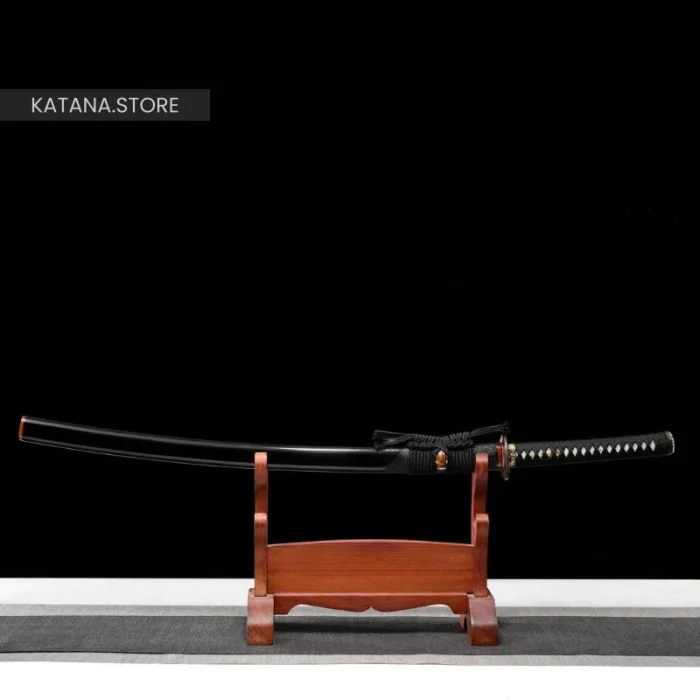
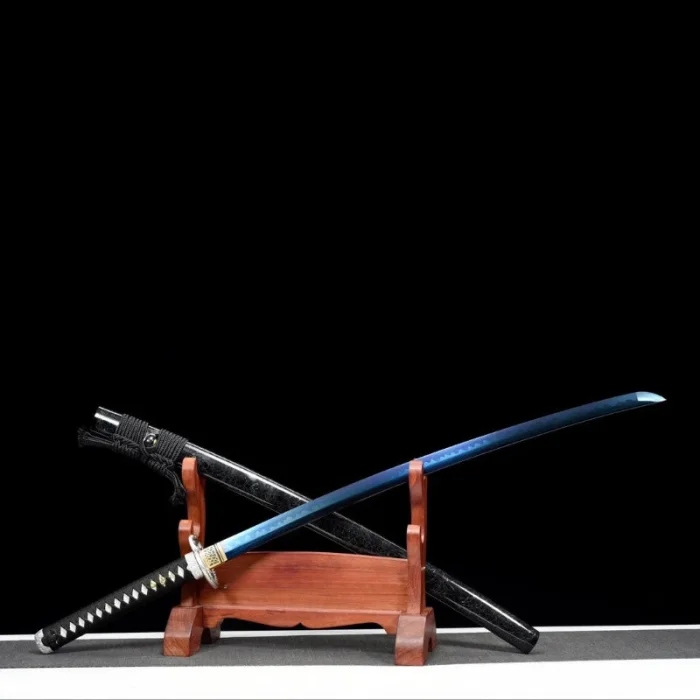
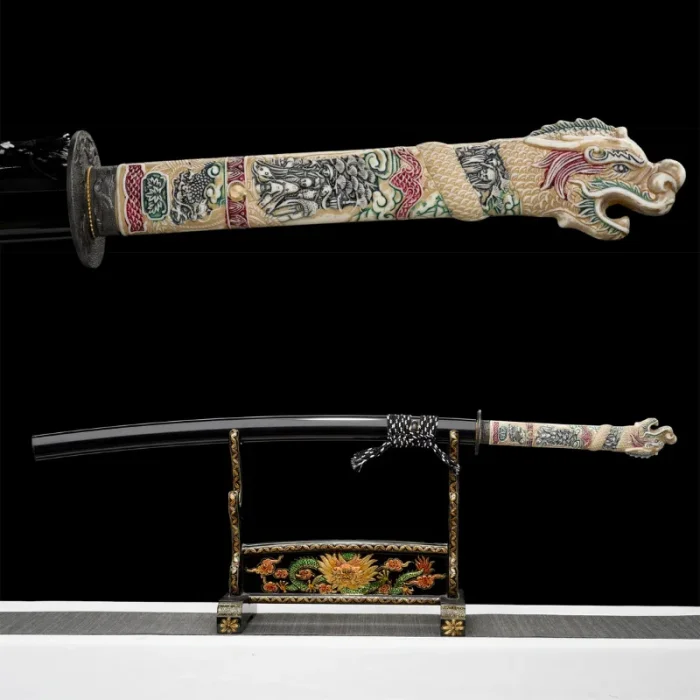
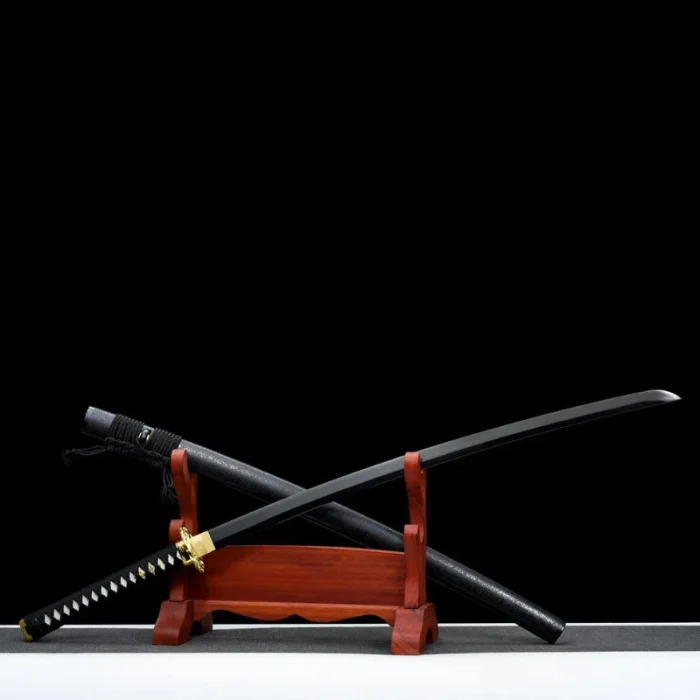
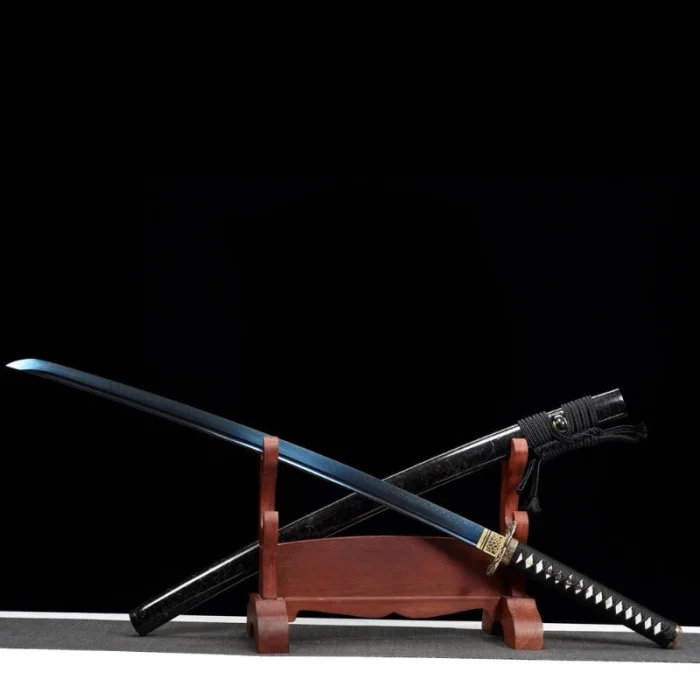
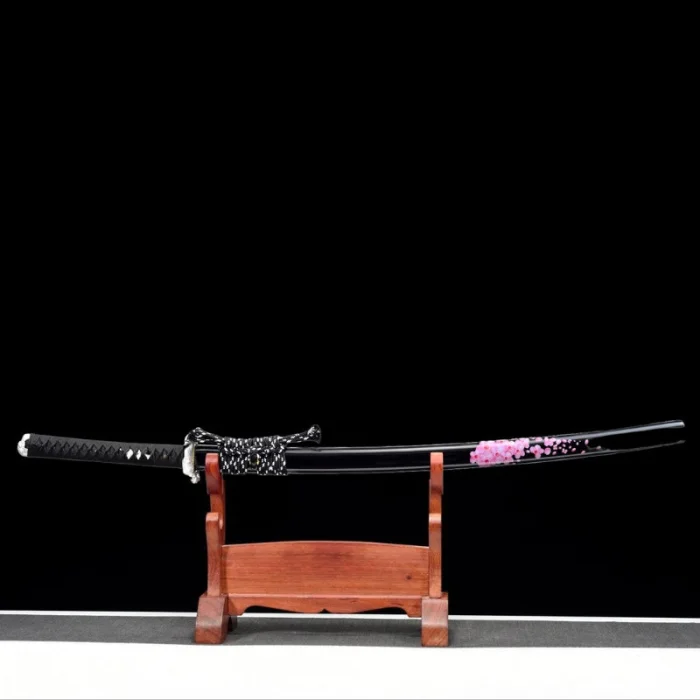
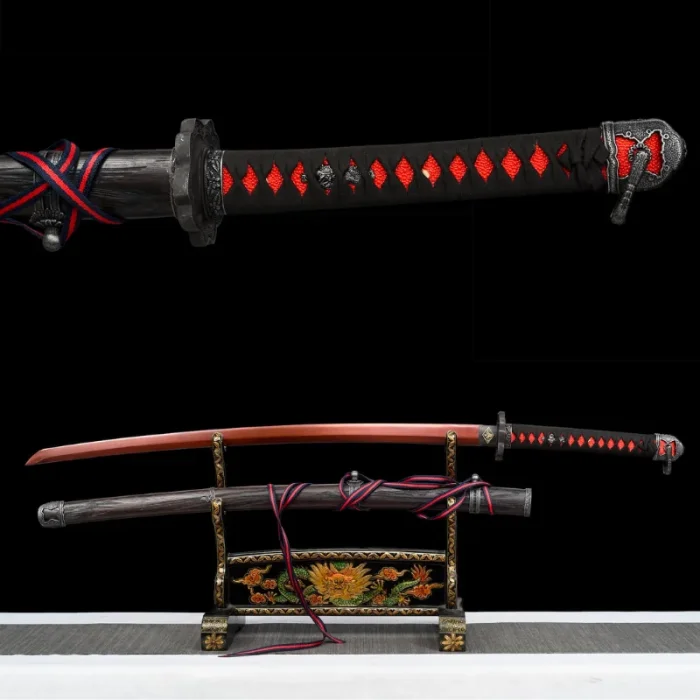
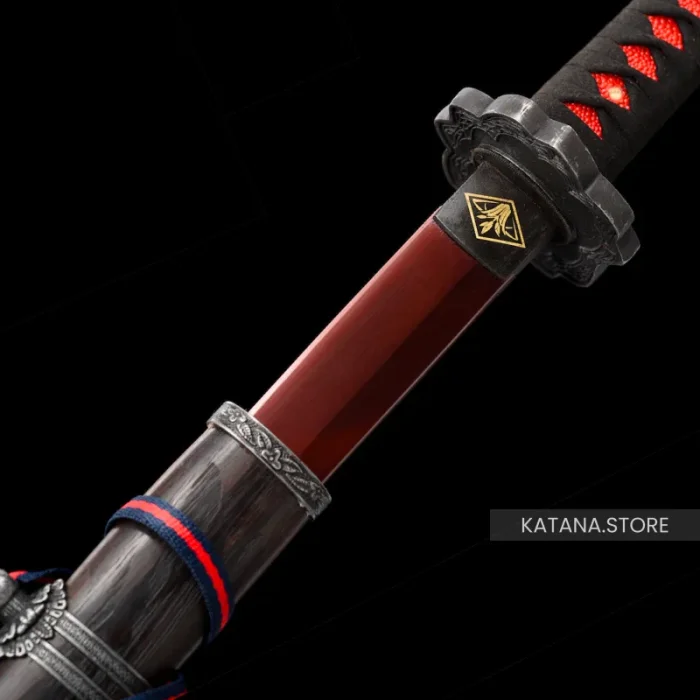
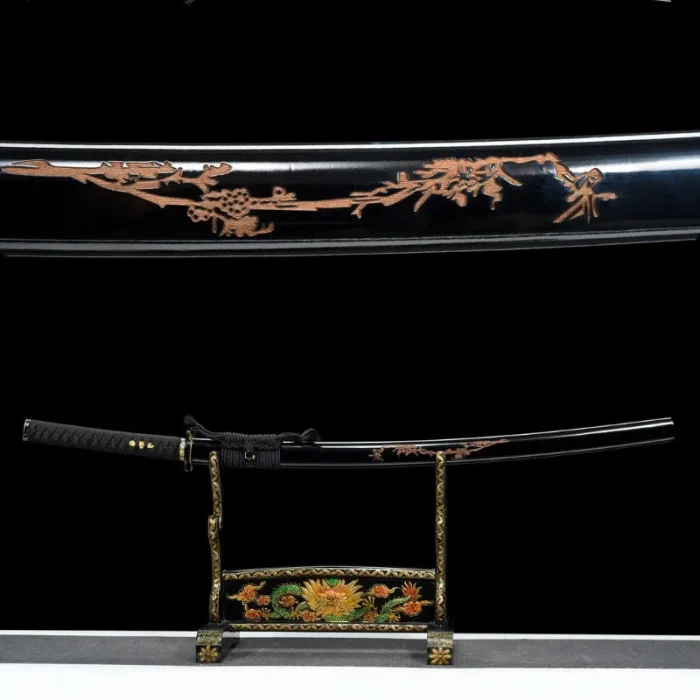
This high-quality Japanese weapon, rooted in centuries of tradition, boasts a distinctive feature: a sanmai structure that is both beautiful and functional. This sword’s unique combination of high carbon 1095 steel and folded steel, along with the precision of clay tempering and the refinement of hand-polishing, makes it a coveted piece for collectors and martial arts practitioners alike.
The Unique Sanmai Blade Structure
The heart of the Sanmai Katana lies in its blade, structured in the unique sanmai format. This intricate design involves the careful layering of different types of steel. In the case of the Sanmai Katana, the core is made from high carbon 1095 steel, renowned for its superior hardness and excellent edge retention, making it a choice material for the blade's base and cutting edge.
Exceptional Coating Layer: Folded Steel
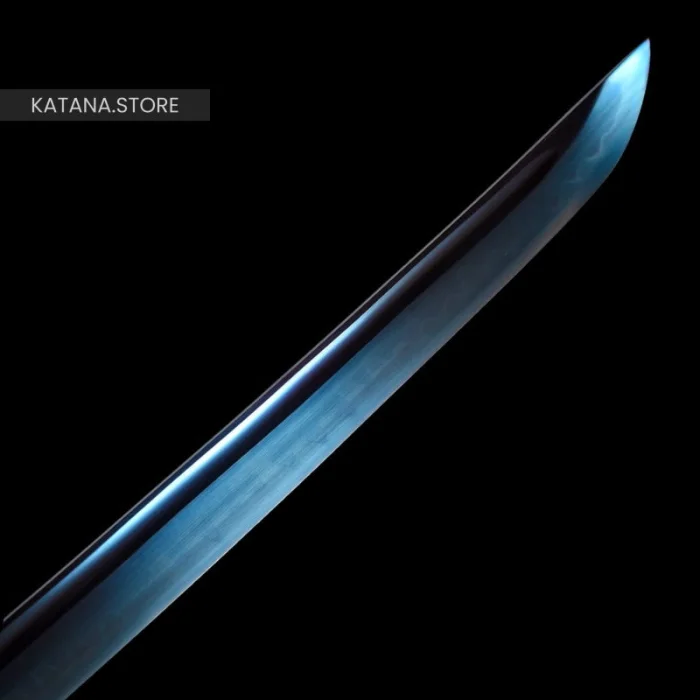
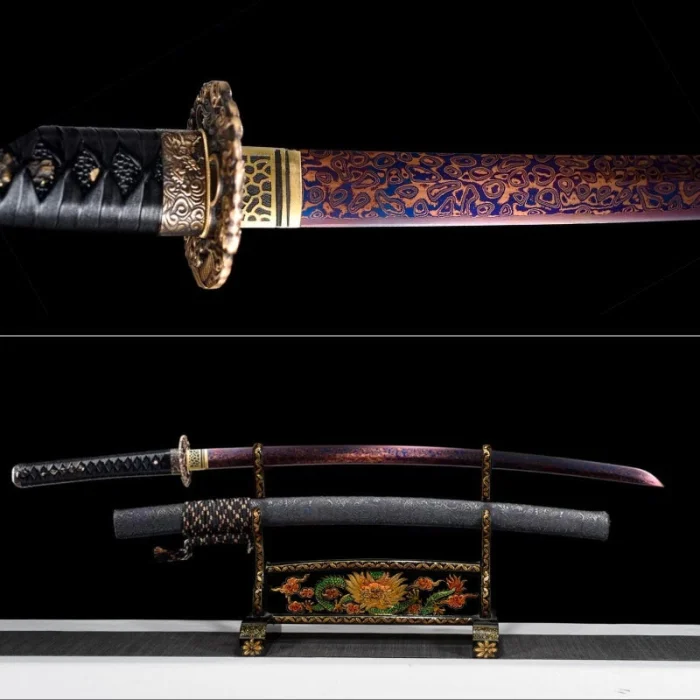
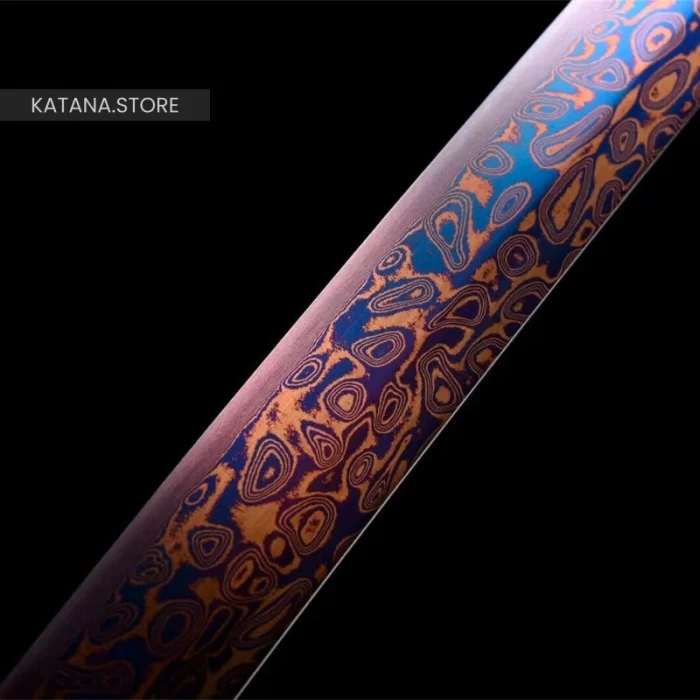
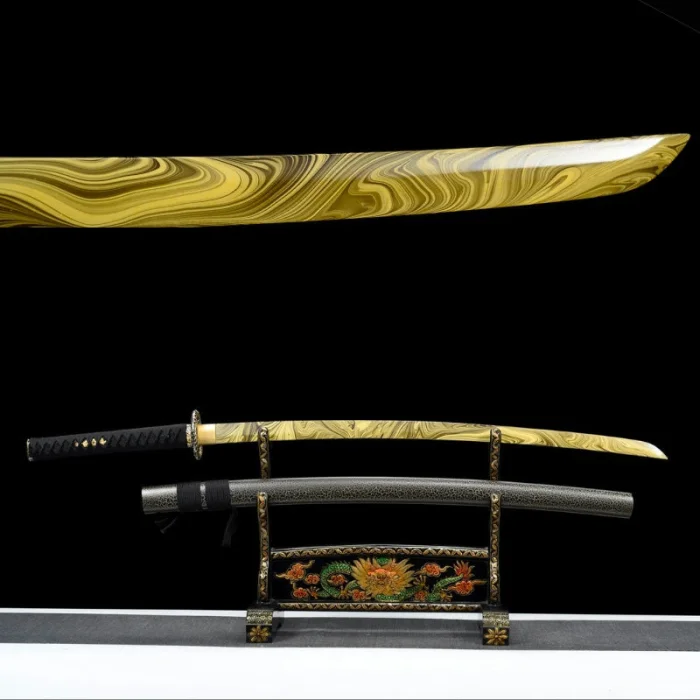
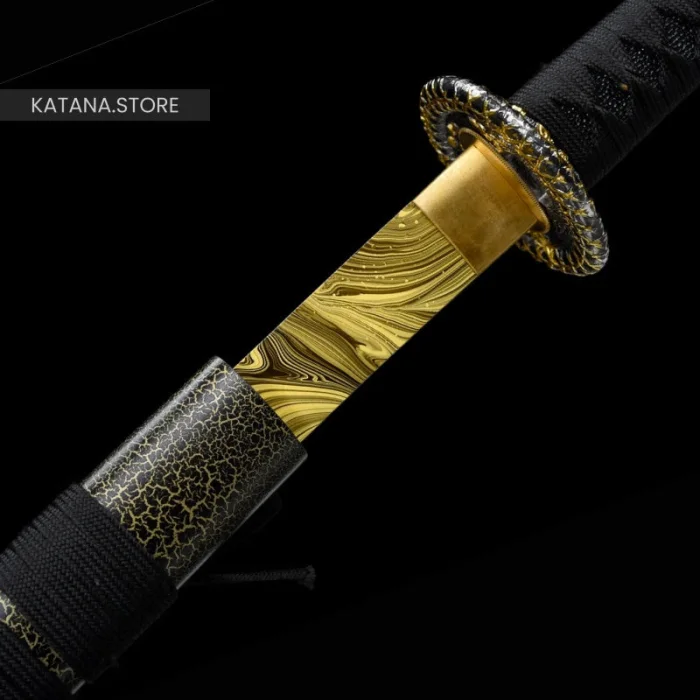
The protective and decorative outer layer of the Sanmai Katana is comprised of beautifully folded steel. This ancient process involves repeatedly folding the steel to create a multitude of layers. As a result, the grains of the folded steel are clearly visible, creating a breathtaking pattern that makes each Sanmai Katana uniquely exquisite.
Exquisite Blade Hardening: Clay Tempering
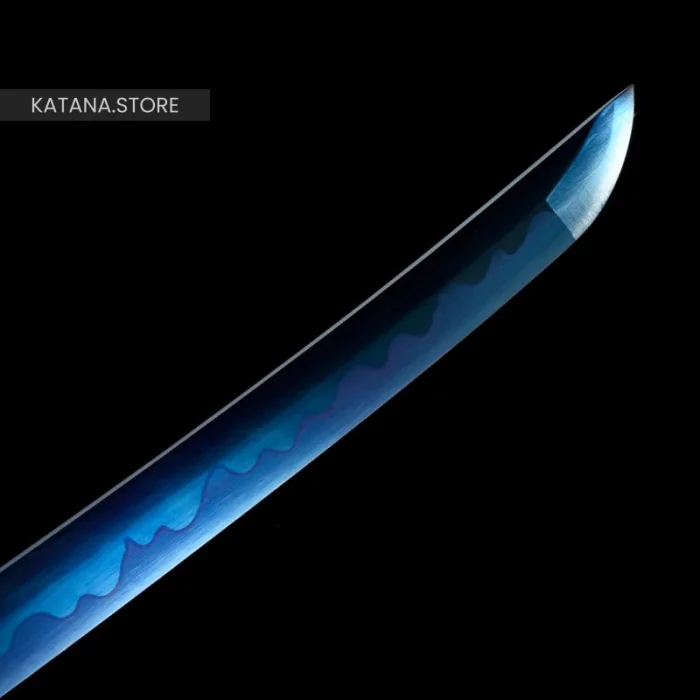
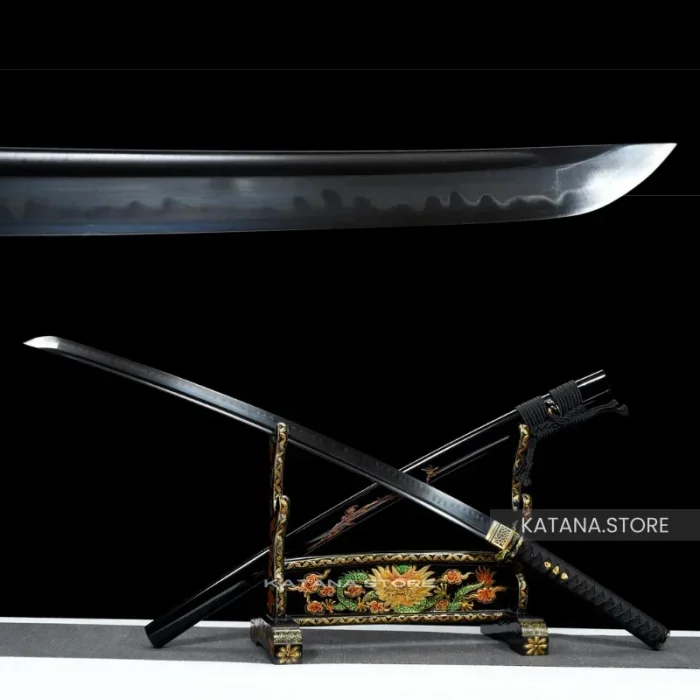
One of the most notable features of the Sanmai Katana is the distinctive hamon or temper line. This visually striking feature is created using the traditional method of clay tempering. Before heat treatment, a layer of clay is applied to the blade, thicker on the spine and thinner along the edge. This process results in a hardened edge, and a more flexible spine, culminating in a blade that is not only aesthetically pleasing but also functionally resilient.
Hand-Polished to Perfection
Each Sanmai Katana is given its final aesthetic touch with a thorough hand-polishing. This intensive process enhances the visible features of the blade, especially the grains of the folded steel and the distinctive hamon. It accentuates the beauty inherent in the sword while preserving and showcasing the meticulous detail of its construction.
Original: $699.00
-65%$699.00
$244.65Product Information
Product Information
Shipping & Returns
Shipping & Returns
Description
Sanmai blade Japanese sword
This high-quality Japanese weapon, rooted in centuries of tradition, boasts a distinctive feature: a sanmai structure that is both beautiful and functional. This sword’s unique combination of high carbon 1095 steel and folded steel, along with the precision of clay tempering and the refinement of hand-polishing, makes it a coveted piece for collectors and martial arts practitioners alike.
The Unique Sanmai Blade Structure
The heart of the Sanmai Katana lies in its blade, structured in the unique sanmai format. This intricate design involves the careful layering of different types of steel. In the case of the Sanmai Katana, the core is made from high carbon 1095 steel, renowned for its superior hardness and excellent edge retention, making it a choice material for the blade's base and cutting edge.
Exceptional Coating Layer: Folded Steel
The protective and decorative outer layer of the Sanmai Katana is comprised of beautifully folded steel. This ancient process involves repeatedly folding the steel to create a multitude of layers. As a result, the grains of the folded steel are clearly visible, creating a breathtaking pattern that makes each Sanmai Katana uniquely exquisite.
Exquisite Blade Hardening: Clay Tempering
One of the most notable features of the Sanmai Katana is the distinctive hamon or temper line. This visually striking feature is created using the traditional method of clay tempering. Before heat treatment, a layer of clay is applied to the blade, thicker on the spine and thinner along the edge. This process results in a hardened edge, and a more flexible spine, culminating in a blade that is not only aesthetically pleasing but also functionally resilient.
Hand-Polished to Perfection
Each Sanmai Katana is given its final aesthetic touch with a thorough hand-polishing. This intensive process enhances the visible features of the blade, especially the grains of the folded steel and the distinctive hamon. It accentuates the beauty inherent in the sword while preserving and showcasing the meticulous detail of its construction.